 |
The Curta.org Bulletin Board Welcome to the Curta.org Information Exchange Forum for the Curta Enthusiast Community This forum is temporarily read-only. |
| Cleaning the plastic crank | |
| The Curta.org Bulletin Board Forum Index -> General Questions and Help | |
| Author | Message |
|---|---|
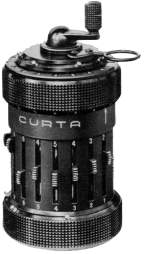
| Nigel Fraser Ker Joined: 09 Oct 2006 Posts: 4 |  Posted: Wed May 09, 2007 10:53 am Post subject: Cleaning the plastic crank Another question...any thoughts on how best to clean the plastic crank? It is lightly soiled and I'd like to clean it but I don't want to cause any problems in so doing (e.g. I'm scared of using solvents for obvious reasons). Thanks, Nigel |
| Jack Joined: 27 Aug 2004 Posts: 56 | Posted: Wed May 09, 2007 8:53 pm Post subject: Cleaning the plastic crank The plastic used for the crank on later model Type I and Type II Curtas sometimes develops a "frosted" or "chalky" surface appearance. The cause for this is some airborne or hand transferred chemical. After several trials at removing the coating by a chemical wash or by applying heat, I have had no success. The only success I've had in eliminating the odd appearance was by buffing the surface with microfine polishing compounds or microfine polishing cloths. Check out: http://www.micro-surface.com. When polishing the crank, it is very likely that the red reversing band indicator paint will flake off. The white paint within the pointer on the top surface of the crank often flakes off, too. To replace either the red or white paint, I suggest procuring small bottles of car touch-up paint. White is available from many automotive parts stores. The red needs to be a brilliant red...try the Audi or VW "Tornado Red". You'll also need to get a small amount of automotive paint thinner. (Regular paint thinner from a hardware or home center store WILL NOT WORK!). Adding a drop of thinner to three drops of paint will thin the touch-up paint enough so that it can evenly flow into the corners of the pointer or around the reversing band. You'll need a very small brush to apply the paint/thinner mix. Visit a hobby or handicraft store to find such a brush. The smaller the better. The good news is that if you do a sloppy job, the paint can be chipped off after it dries...just try it again. |
| Nigel Fraser Ker Joined: 09 Oct 2006 Posts: 4 | Posted: Fri May 11, 2007 12:51 pm Hi Jack, Thanks very much for this information. Kind regards, Nigel |
| All times are GMT |
Read-only archive of a phpBB 2 board · Powered by phpBB © 2001, 2005 phpBB Group