 |
The Curta.org Bulletin Board Welcome to the Curta.org Information Exchange Forum for the Curta Enthusiast Community This forum is temporarily read-only. |
| Knurling differences between Curta Type I & II | |
| The Curta.org Bulletin Board Forum Index -> General Questions and Help | |
| Author | Message | ||||||
|---|---|---|---|---|---|---|---|
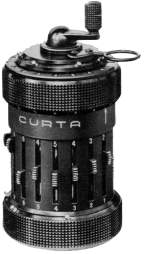
| CurtaGuy Joined: 11 May 2009 Posts: 31 |  Posted: Fri May 15, 2009 4:47 am Post subject: Knurling differences between Curta Type I & II Hi fellow Curta enthusiasts, New to the board here -- so a hello to all. General interest observation: As we know, the knurling pattern differs from Type I vs. Type II. Ultimately, on Type I Curtas, the black anodized coating on the knurling leads to undue wear from removal and insertion into the metal canister. (Not sure if this was as prevalent when plastic canisters became the standard.) Type II knurling, with flattened (exposed metal) "crests", makes for less noticeable wear over time. Again, I'm not sure if this is a moot point once plastic canisters became standard. So I suppose I'm wondering why the continued difference? Was it with intentions to distinguish the two types? I figure the (eventual) textured grey body and alternating red/black setting register sliders would've sufficed from a marketing standpoint. I realize early Type II Curtas were quite similar in appearance to the Type I Curtas. (I have read the texture was added to the body for added gripping capability.) But once they realized the black anodized knurling on Type I Curtas would inevitably become worn, why not change it to be more like the grey body Type II Curtas? (And maybe even texture the body like the Type II Curtas -- yet keep it black.) I know ... it's ultimately cosmetics -- and has nothing to do with function -- but I'm just curious. -CurtaGuy P.S. Apologies if my metalworking terms aren't technically correct. Not exactly sure what to call the high points of the knurls  | ||||||
| Jack Joined: 27 Aug 2004 Posts: 56 | Posted: Wed May 27, 2009 7:22 pm Post subject: Changes in appearance of Type II Curtas The styling changes to the Type II were not favored by many people, particularly by Curt Herzstark himself. I do agree that the modified knurling on the grey body Type IIs was most likely done to hide the wear caused by handling and storage in the metal canisters. I think the grey textured paint was just a styling idea to allow someone to more readily distinguish a Type II from a Type I. The grey textured paint wears and ages much faster than the black anodizing. | ||||||
| CurtaGuy Joined: 11 May 2009 Posts: 31 | Posted: Fri May 29, 2009 1:35 am Post subject: Re: Changes in appearance of Type II Curtas
Question: was the wear to the anodized knurling on Type I Curtas 'lessened' with the introduction of the plastic canisters?
Then this gives 'credence' (for lack of a better term) to the power of the marketing department folks, if it wasn't favored by the designer himself. I know, by reading up on the history, that Curt (I *think*) was 'forced' out of the company by the time the grey body Curtas were introduced? So his say in the matter may have been diminished significantly.
Yes, I've noticed too. How about a textured black body? That might have been nice, and not shown the wear and discoloring as much, yet retained the "grip" factor (if that was the purpose of the texture, I don't know -- why not just make a smooth grey body in retrospect?) Well -- what might have been... we'll not know. -CurtaGuy | ||||||
| All times are GMT |
Read-only archive of a phpBB 2 board · Powered by phpBB © 2001, 2005 phpBB Group